
Be Truly Present
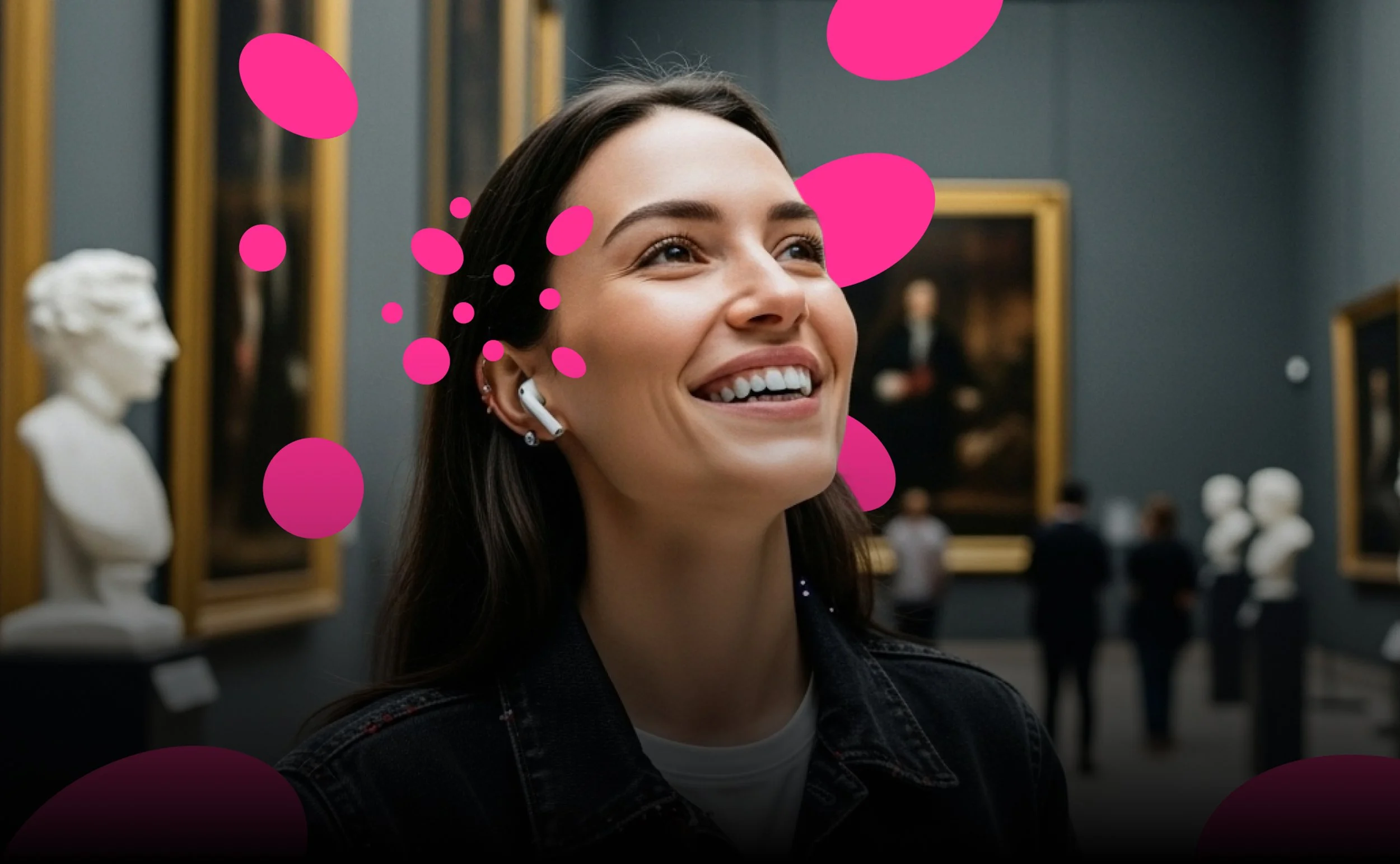
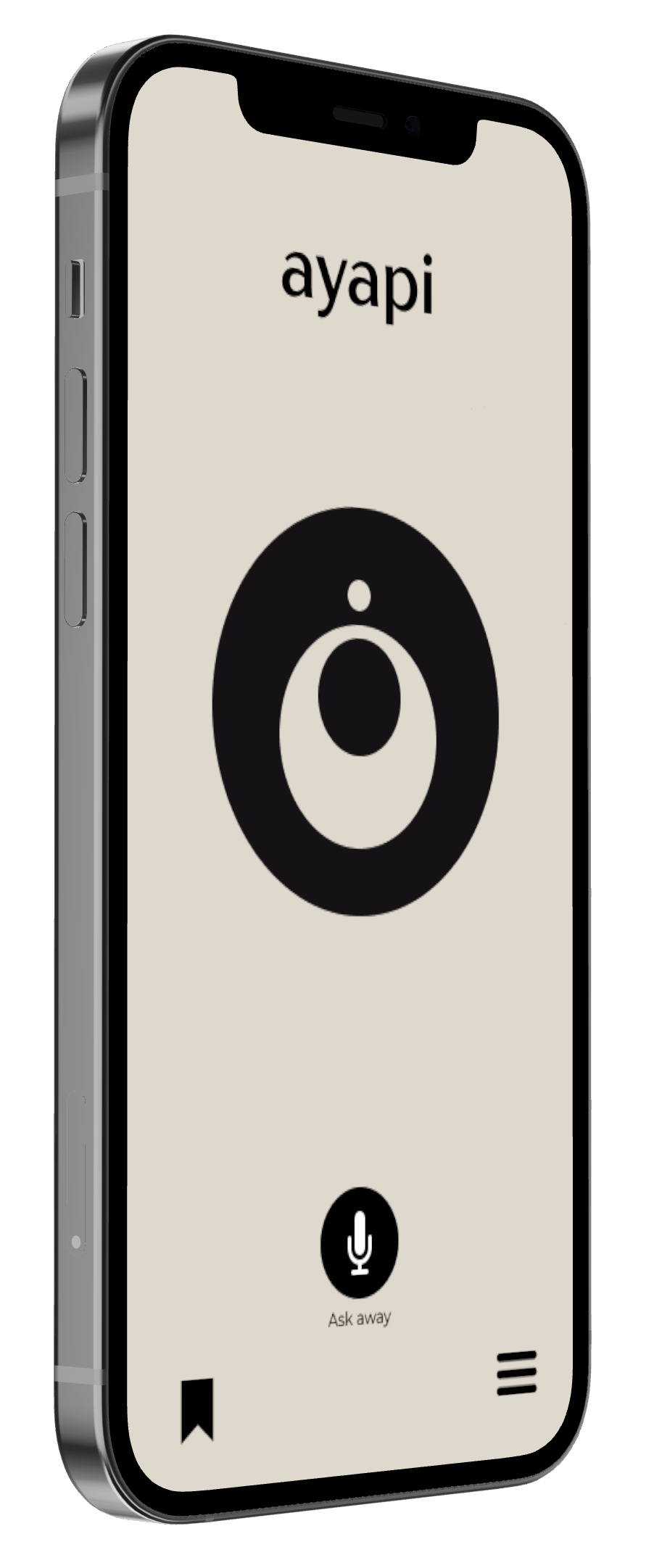
Ayapi is an AI cultural companion that speaks with you about art, history, philosophy and science. In museums, it helps you slow down, cut through the noise, and connect deeply with what you’re seeing.
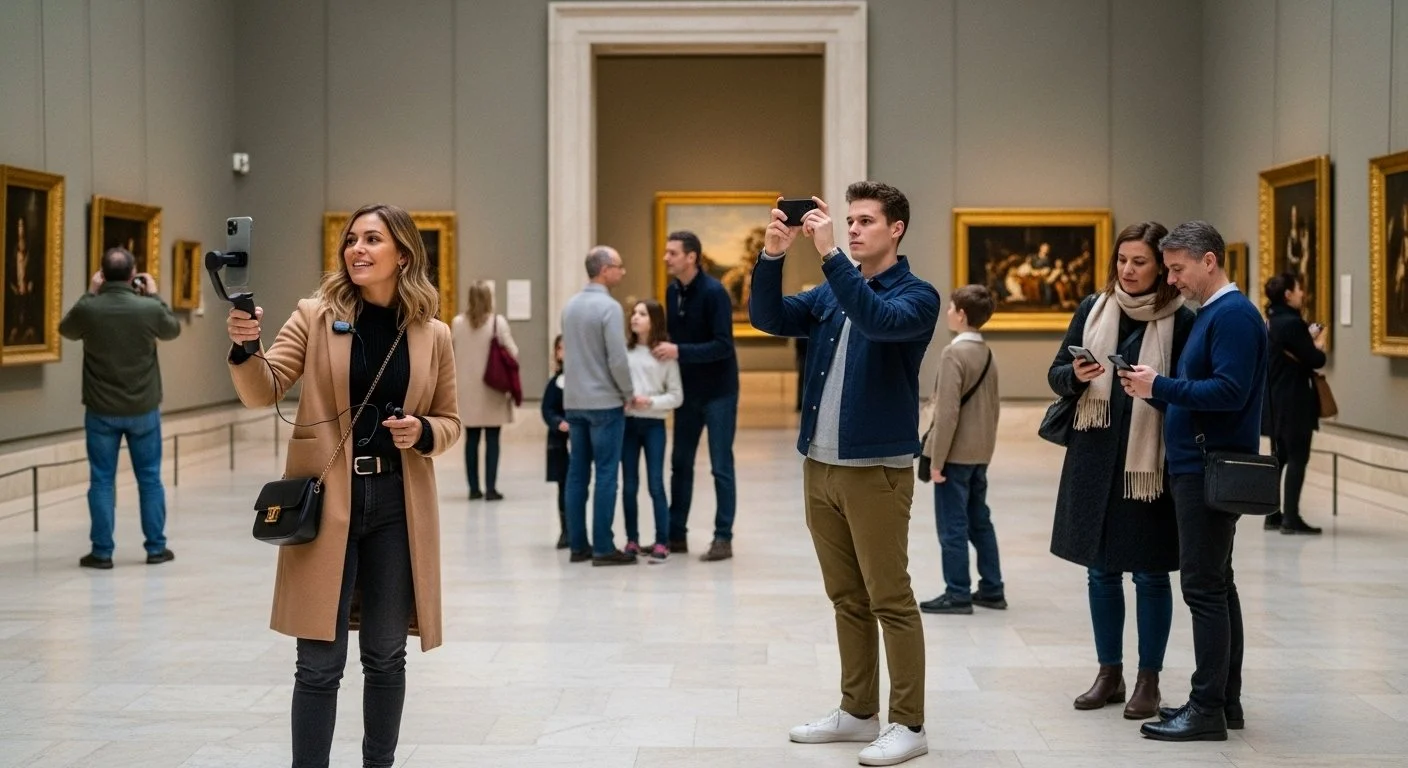
The phone is the lens through which we are looking at the world.
Connecting to culture takes a lot of reading and time.
We are inspired by museums’ beauty, yet we left with hundreds of photos of things we don’t really understand.
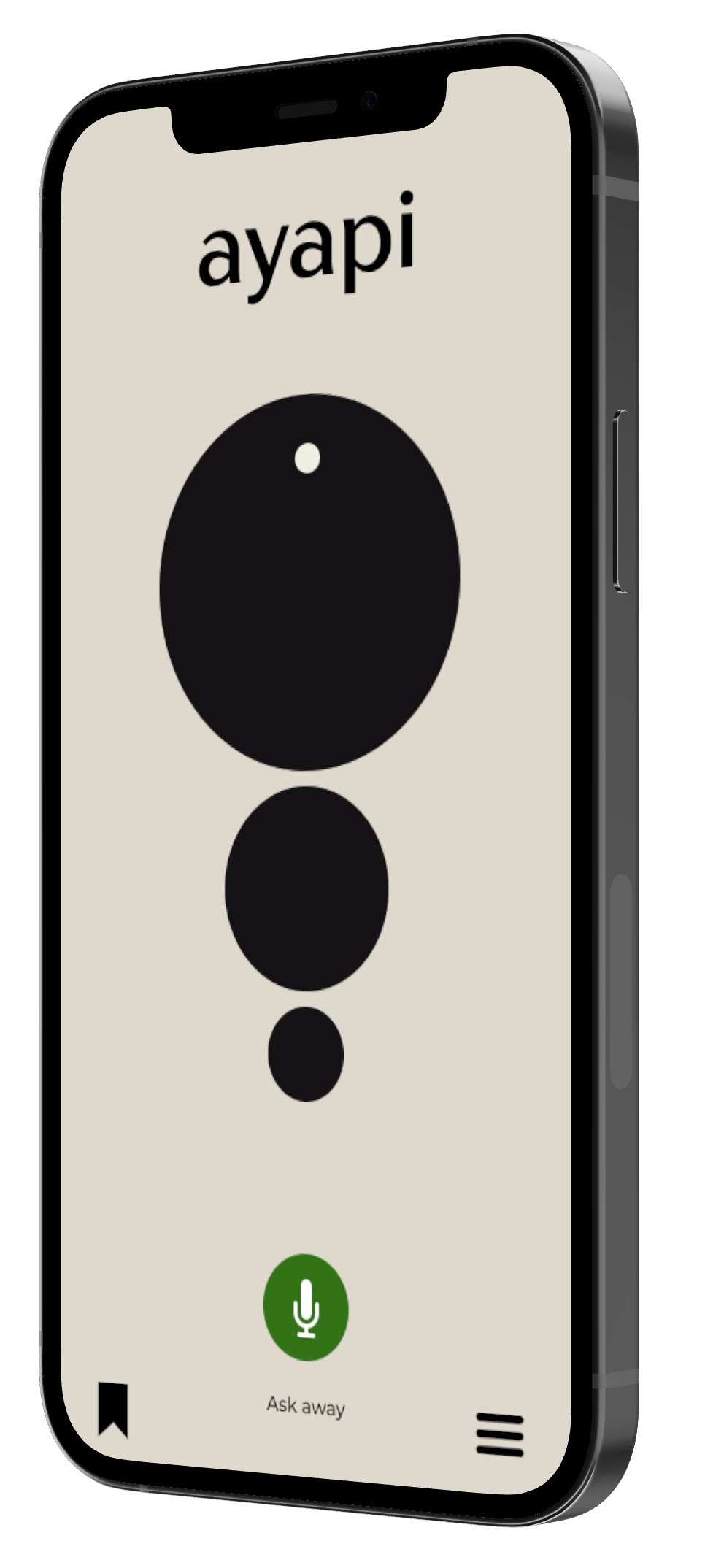
Don’t type, talk.
Keep your eyes on the art.
Ayapi is a conversational companion based on voice interaction, not chat. You see the world directly through your eyes, not the phone.
Put the screens away and be truly present.
In your own language
Dans votre propre langue
En tu propio idioma
用你自己的语言
بلغتك الخاصة
На своём языке
अपनी भाषा में
اپنی زبان میں
당신의 언어로
あなた自身の言語で
בשפה שלך
Στη δική σου γλώσσα
+
Simply speak your language. Ayapi understands.
AI has the power to understand almost every language on Earth. With Ayapi, that power becomes your advantage. No translations, no barriers; just natural conversation in whatever language feels like home. Every story adapts not just to your interests, but to the very words you use to dream.
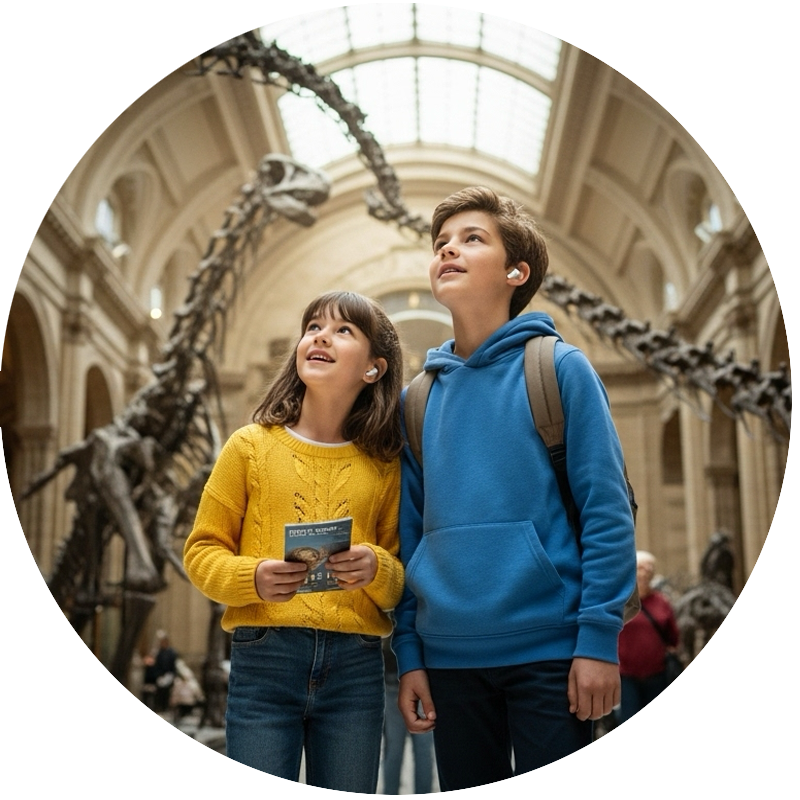

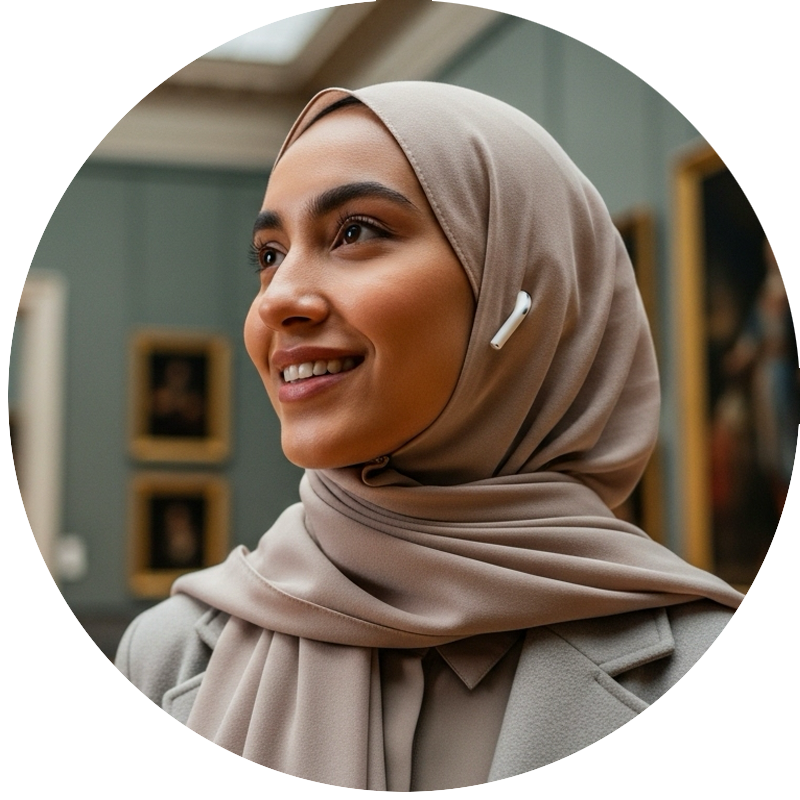
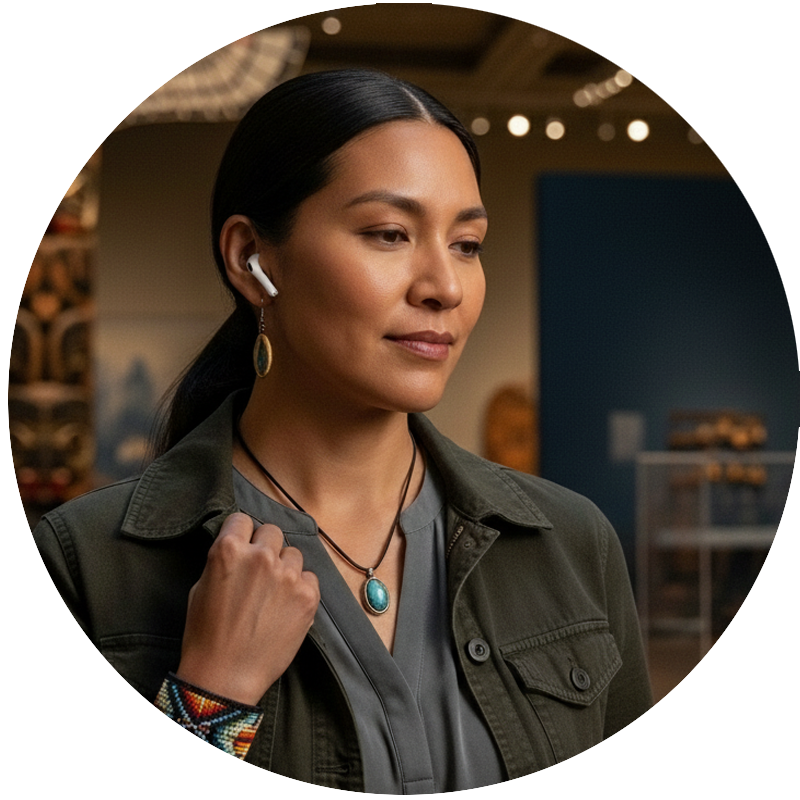
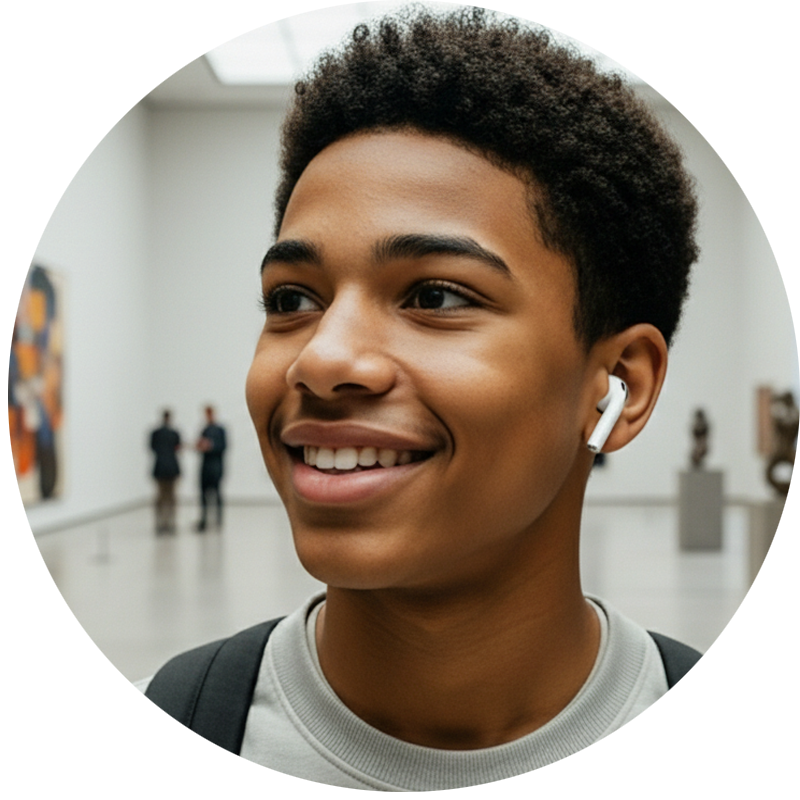

Ayapi follows your curiosity, adapting every story to who you are.
You can talk to Ayapi about what captures your attention. Follow your curiosity. Explore endlessly and adapt the museum’s collections to your own interests, background, and language. Ayapi tells stories that connects you emotionally and intellectually with art, science, history and culture.
You can finally discover the full story.
Museums hold extraordinary narratives that too often remain untold. Every object holds hundreds of stories, human, political, scientific, poetic, but only a fraction ever reaches the public. The rest remains trapped in archives, catalogues, and curators’ minds. With Ayapi, stories reach visitors beyond wall labels to multi-layered storytelling.
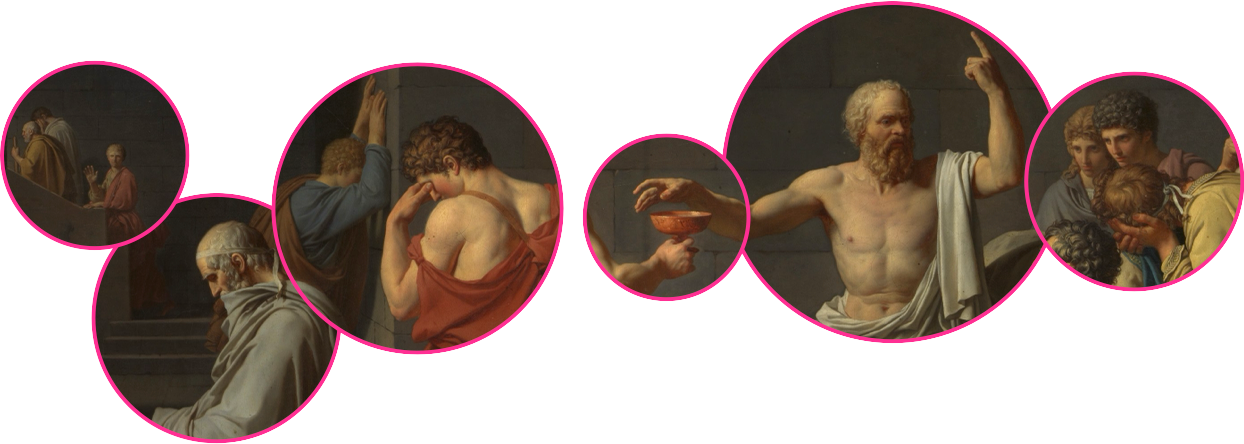
It’s a living, extendable label for the modern museum.
Visit the museum and ask …
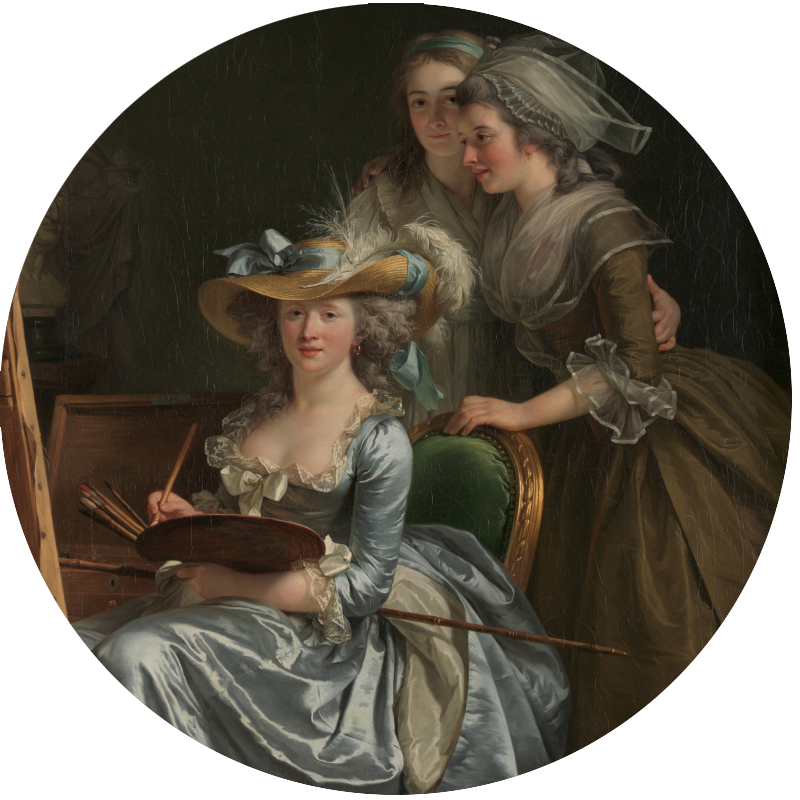
"That dress! What kind of fabric is that?"
It’s painted to look like silk satin, a luxury fabric that catches light like water. The gleam isn’t just fashion. It’s statement. In the 18th century, satin signaled wealth, intellect, and presence. She painted herself in it to say, “I belong here, as much as any man in velvet.”
The Artist and Her Pupils (1785) by Adélaïde Labille-Guiard
Metropolitan Museum of Art
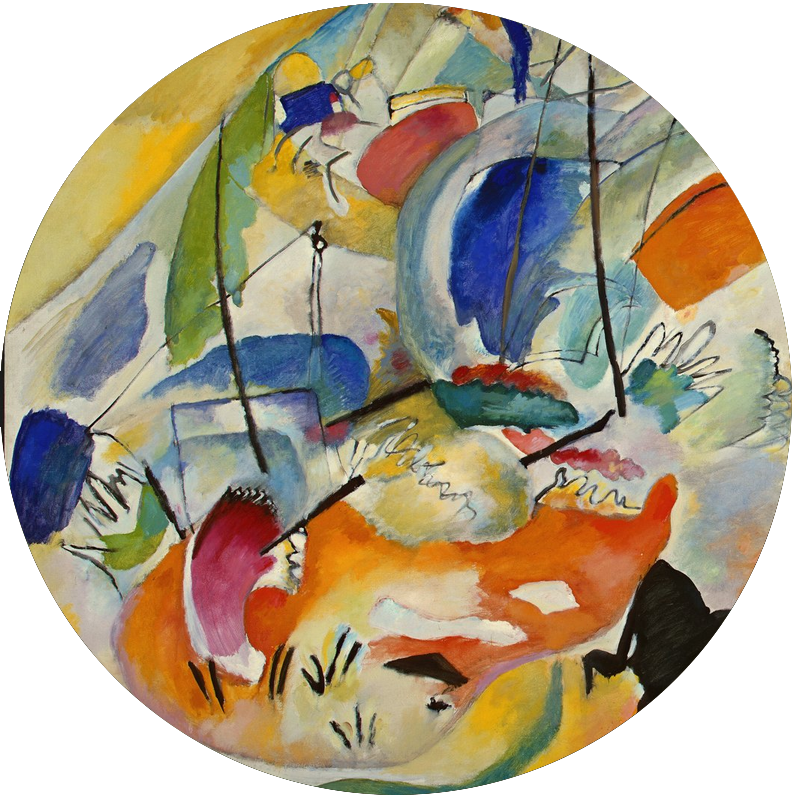
“Was Kandinski neurodiverse?”
There is strong historical speculation, supported by many art historians and biographers, that Wassily Kandinsky was neurodiverse. This is primarily based on the fact that he was a synesthete, a person who experiences one sense through another.
Improvisation 31 (Sea Battle) – Wassily Kandinsky (1913)
National Gallery of Art
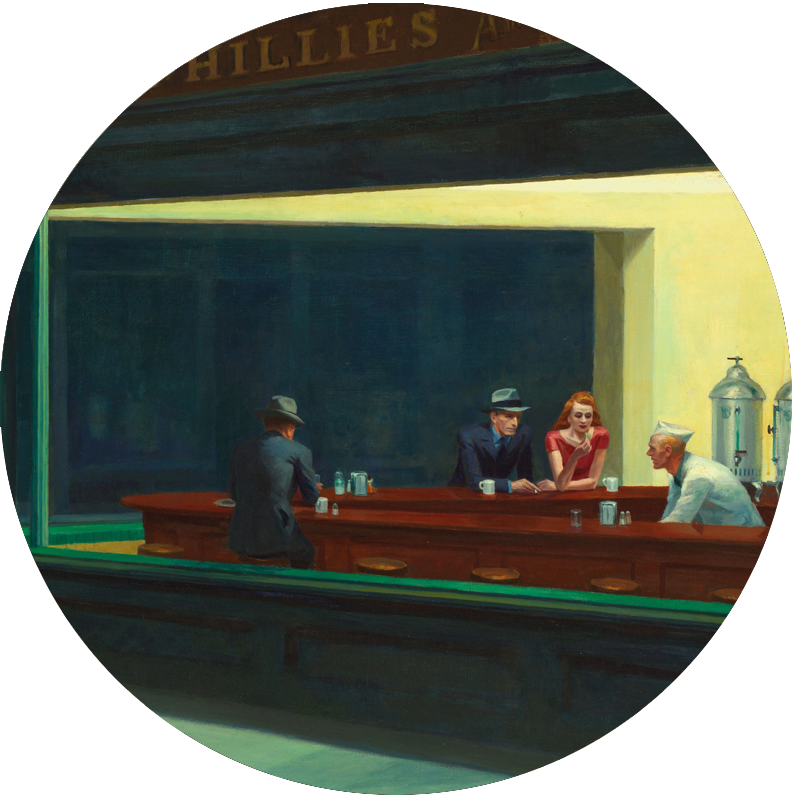
“Was this painted during the time of gangsters, like Al Capone or prohibition?”
Not quite. Hopper painted this in 1942, long after Al Capone and Prohibition were gone.
But he was painting the after, the hangover; a city sobered up, still glowing under neon, but haunted by silence.
Nighthawks – Edward Hopper (1942)
Art Institute of Chicago
Why Ayapi?



Museums risk irrelevance by arriving late to AI adoption. Learn why cultural institutions must move from cautious observers to active architects of AI's impact on education and cultural preservation.