The Future of Cultural Institutions: Why Autonomy-Driven Experiences Outperform Prescriptive Ones
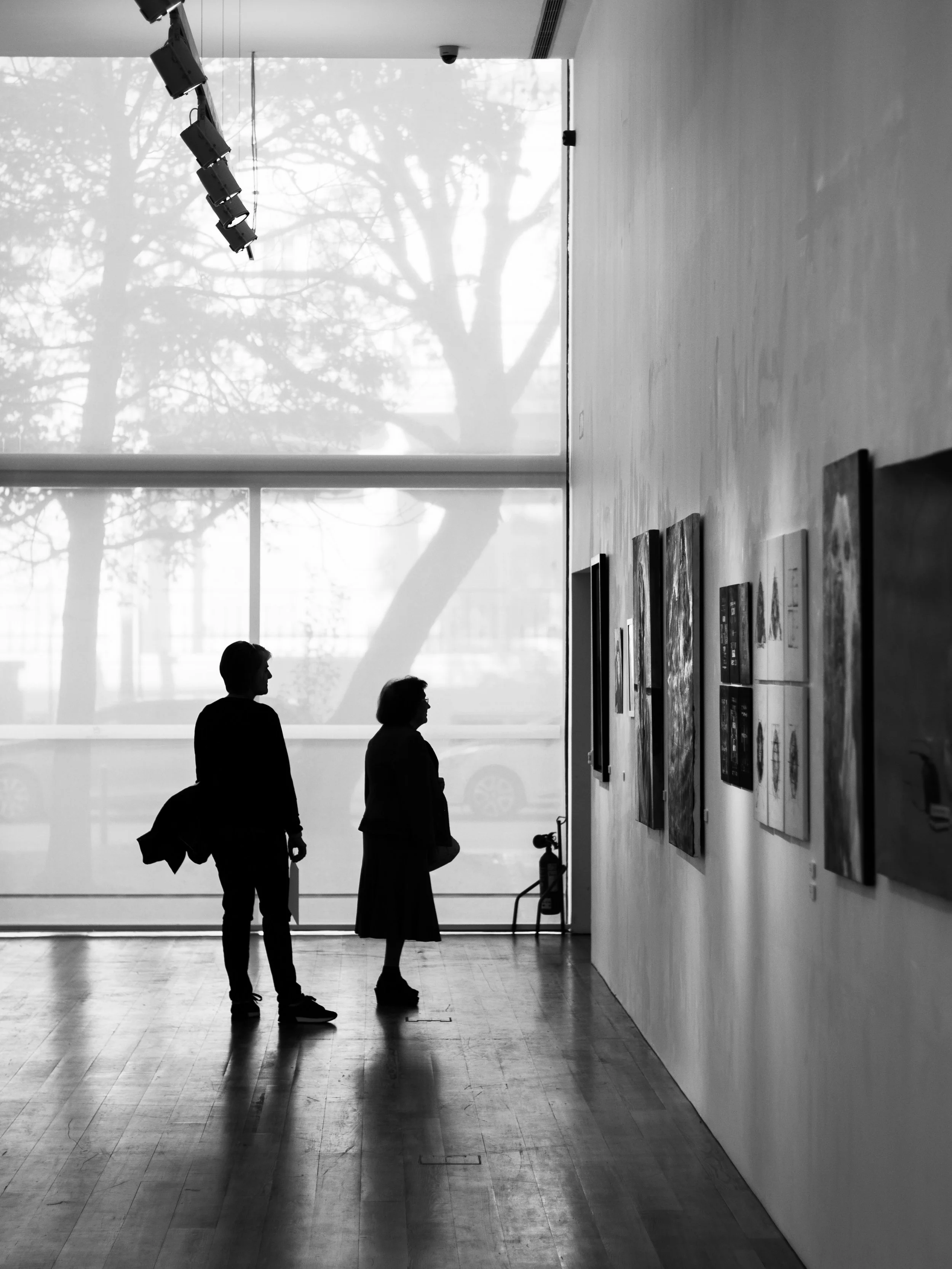
Two decades of research confirm that art improves mental health, reduces stress, and enhances emotional well-being. But there's a catch: these benefits don't come from simply seeing art—they depend on how we engage with it. This article explores why passive viewing falls short, how traditional museum tools can inadvertently limit meaningful engagement, and what adaptive, curiosity-driven approaches can unlock in cultural experiences.From Observation to Engagement: Why the Benefits of Art Depend on How We Encounter It
Over the past two decades, a growing body of academic research has demonstrated that engaging with art yields measurable benefits for mental, emotional, and even physical health. Studies conducted by universities and public health institutions have linked art exposure to reduced stress, improved mood regulation, enhanced empathy, and positive cardiovascular outcomes.
However, this research reveals a critical condition: the benefits of art are not produced by exposure alone. They depend on the quality of engagement.
Viewing art passively—scrolling through images or briefly glancing at objects in a gallery—does not reliably produce the same outcomes as deeper, reflective encounters. The positive effects emerge when individuals actively engage with artworks through attention, curiosity, interpretation, and personal meaning-making.
Engagement as a Mechanism, Not a Byproduct
In neuroscience and psychology research, engagement is understood as a cognitive and emotional process. When viewers pause, reflect, and ask questions, multiple neural systems activate simultaneously, including attentional networks, emotional regulation pathways, and memory encoding processes.
This activation explains why reflective art engagement has been associated with reductions in cortisol levels, increases in dopamine release, and improvements in emotional awareness. Art becomes not merely an object of observation but a stimulus for internal dialogue.
Crucially, studies suggest that these benefits are strongest when engagement is self-directed. When individuals choose what to focus on, how long to linger, and which questions to pursue, the experience becomes intrinsically motivating rather than externally imposed.
The Limits of Prescriptive Interpretation
Traditional interpretive tools in museums and cultural institutions often prioritize information delivery. Wall labels, linear audio guides, and fixed narratives are designed to convey knowledge efficiently and consistently.
While informative, these tools can unintentionally narrow the range of engagement. By directing attention toward predefined facts or interpretations, they may reduce opportunities for personal reflection, emotional resonance, or exploratory questioning.
Research in educational psychology shows that overly structured guidance can limit agency and reduce intrinsic curiosity. In the context of art engagement, this can shift the experience from reflective to instructional, weakening the very processes associated with well-being and meaning-making.
Adaptive Engagement as a Research-Aligned Approach
Emerging models of cultural engagement emphasize adaptability and responsiveness. Rather than assuming a uniform visitor profile, these approaches recognize that individuals arrive with different levels of knowledge, emotional states, cultural backgrounds, and motivations.
Adaptive engagement supports users in pursuing their own questions. It allows for pauses, detours, and silence. It offers context when requested and restraint when presence is more valuable than explanation.
From a research perspective, this aligns with constructivist learning theory and self-determination theory, both of which emphasize autonomy as a key driver of meaningful engagement and psychological benefit.
WonderWay as an Enabling Layer
Within this framework, WonderWay functions not as a content delivery system but as an enabling layer for reflective engagement. Its design centers on responsiveness rather than prescription.
By adapting to user questions and interests in real time, WonderWay supports individualized pathways through cultural experiences. The user remains in control of pace, depth, and focus while receiving support that is contingent on curiosity rather than imposed structure.
This approach preserves attentional presence. Because it is voice-based and screen-free, it minimizes cognitive fragmentation and supports sustained focus on the artwork itself. Silence and reflection are treated as valid states, not gaps to be filled.
Implications for Cultural and Health Contexts
As universities and public health organizations increasingly recognize art engagement as a contributor to well-being, the mode of engagement becomes as important as access itself.
Technologies that respect autonomy, support curiosity, and adapt to individual needs are more likely to amplify the documented benefits of art. Conversely, systems that over-structure or distract may unintentionally reduce them.
The evidence suggests that art supports health and emotional resilience most effectively when individuals are invited into a dialogue rather than instructed toward a conclusion.
In this sense, adaptive engagement does not compete with art. It creates the conditions under which art can do what research shows it does best.
Author: Hélène Alonso
Hélène Alonso is founder of WonderWay and a professor at New York University. She is a museum technology leader with over two decades of experience at institutions including the American Museum of Natural History, Liberty Science Center, and the Wildlife Conservation Society. Her work focuses on artificial intelligence infrastructure for museums, institutional knowledge systems, and the future of cultural interpretation.
References
All-Party Parliamentary Group on Arts, Health and Wellbeing. (2017). Creative health: The arts for health and wellbeing. UK Parliament.
Chatterjee, A., & Vartanian, O. (2014). Neuroaesthetics. Trends in Cognitive Sciences, 18(7), 370–375. https://doi.org/10.1016/j.tics.2014.03.003
Clift, S., & Camic, P. M. (Eds.). (2016). Oxford textbook of creative arts, health, and wellbeing. Oxford University Press.
Fancourt, D., & Finn, S. (2019). What is the evidence on the role of the arts in improving health and well-being? A scoping review. World Health Organization Regional Office for Europe.
Fancourt, D., Steptoe, A., & Cadar, D. (2018). Cultural engagement and cognitive reserve: Museum attendance and dementia incidence over a 10-year period. The British Journal of Psychiatry, 213(5), 661–663. https://doi.org/10.1192/bjp.2018.129
Fancourt, D., & Tymoszuk, U. (2019). Cultural engagement and incident depression in older adults: Evidence from the English Longitudinal Study of Ageing. The British Journal of Psychiatry, 214(4), 225–229. https://doi.org/10.1192/bjp.2018.267
Leder, H., Belke, B., Oeberst, A., & Augustin, D. (2004). A model of aesthetic appreciation and aesthetic judgments. British Journal of Psychology, 95(4), 489–508. https://doi.org/10.1348/0007126042369811
Nose, M., Berta, A., Bisoffi, G., Chiocca, A., Rossi, E., Turrina, C., & Lasalvia, A. (2025). Museum-based interventions for mental health and well-being: A feasibility study. Frontiers in Psychology, 16, 1591056. https://doi.org/10.3389/fpsyg.2025.1591056
Pelowski, M., Markey, P. S., Lauring, J. O., & Leder, H. (2016). Visualizing the impact of art: An update and comparison of current psychological models of art experience. Frontiers in Human Neuroscience, 10, Article 160. https://doi.org/10.3389/fnhum.2016.00160
Smith, J., Bagnall, A. M., & South, J. (2022). Museums, galleries and well-being: A systematic review. Arts & Health, 14(1), 87–102. https://doi.org/10.1080/17533015.2020.1782864
Tymoszuk, U., Perkins, R., Spiro, N., Williamon, A., & Fancourt, D. (2020). Longitudinal associations between arts engagement and well-being in older adults. The Journals of Gerontology: Series B, 75(4), 710–720. https://doi.org/10.1093/geronb/gby103
Vessel, E. A., Starr, G. G., & Rubin, N. (2012). The brain on art: Intense aesthetic experience activates the default mode network. Frontiers in Human Neuroscience, 6, Article 66. https://doi.org/10.3389/fnhum.2012.00066
Frequently Asked Questions
How does engaging with art improve mental health?
Engaging with art improves mental health by activating multiple neural systems simultaneously, including attentional networks, emotional regulation pathways, and memory encoding processes. Research shows that reflective art engagement reduces cortisol levels (the stress hormone), increases dopamine release (associated with pleasure and motivation), and enhances emotional awareness. These benefits occur when individuals actively engage with artworks through attention, curiosity, and personal meaning-making rather than passive observation.
What's the difference between passive and active art viewing?
Passive art viewing involves briefly glancing at artworks or scrolling through images without deeper reflection, similar to casual browsing. Active art viewing involves pausing, reflecting, asking questions, and creating personal interpretations. Studies demonstrate that active, reflective engagement produces measurable health benefits including stress reduction and improved mood regulation, while passive viewing does not reliably generate the same outcomes. The key difference lies in cognitive and emotional investment.
Why don't traditional museum audio guides maximize art's benefits?
Traditional museum audio guides often prioritize information delivery through fixed narratives and predefined interpretations. While informative, this prescriptive approach can limit personal reflection, emotional resonance, and exploratory questioning. Research in educational psychology shows that overly structured guidance reduces agency and intrinsic curiosity, shifting the experience from reflective to instructional. This undermines the self-directed engagement that produces the strongest psychological benefits from art.
What is adaptive engagement in art experiences?
Adaptive engagement is an approach that responds to individual visitors' questions, interests, and pace rather than providing uniform content to everyone. It recognizes that people arrive at cultural institutions with different knowledge levels, emotional states, and motivations. Adaptive engagement supports self-directed exploration, allows for pauses and silence, and offers context when requested rather than imposing predetermined narratives. This approach aligns with constructivist learning theory and self-determination theory, both emphasizing autonomy as essential for meaningful engagement.
How does self-directed learning enhance the benefits of art?
Self-directed learning enhances art's benefits by making the experience intrinsically motivating rather than externally imposed. When individuals choose what to focus on, how long to linger, and which questions to pursue, they maintain autonomy and agency. Research shows that this autonomy is a key driver of psychological benefit and meaningful engagement. Self-directed exploration activates curiosity and personal investment, which strengthens the neural processes associated with well-being and emotional resilience.
Can art really improve physical health?
Yes, research has demonstrated that art engagement can produce positive physical health outcomes, particularly cardiovascular benefits. The mechanism works through stress reduction and emotional regulation. When cortisol levels decrease and emotional well-being improves through reflective art engagement, this has downstream effects on physical health markers. Universities and public health institutions have documented these connections, though the benefits depend on the quality of engagement rather than mere exposure to art.
What is WonderWay and how does it support art engagement?
WonderWay is an adaptive engagement tool designed to support reflective art experiences without imposing prescribed narratives. It functions as a voice-based, screen-free enabling layer that responds to users' questions and interests in real time. By allowing individuals to control their pace, depth, and focus while receiving curiosity-contingent support, WonderWay preserves attentional presence and treats silence and reflection as valid states. This design aligns with research showing that autonomy-supporting technologies amplify the documented benefits of art engagement.
Why does the neuroscience of art matter for museums?
Understanding the neuroscience of art helps museums design experiences that maximize visitor well-being and meaningful engagement. Neuroscience research reveals that art's benefits emerge from specific cognitive and emotional processes (attention, reflection, and personal meaning-making) rather than from simple exposure. This knowledge suggests that museums should prioritize visitor autonomy, support curiosity-driven exploration, and minimize cognitive fragmentation. Technologies and interpretive approaches that align with how the brain engages meaningfully with art are more likely to deliver the health and emotional benefits documented in research.
How should museums use technology to enhance visitor experiences?
Museums should use technology that respects visitor autonomy, supports curiosity, and adapts to individual needs rather than over-structuring or distracting from the artwork. Effective museum technology acts as an enabling layer that responds to visitor-initiated questions while preserving attentional presence. Screen-free, voice-based tools minimize cognitive fragmentation and support sustained focus. The goal is to create conditions where art can produce its documented benefits (reducing stress, enhancing empathy, improving emotional awareness) rather than competing with the artwork for attention.
What role does curiosity play in meaningful art engagement?
Curiosity is central to meaningful art engagement because it drives the self-directed exploration associated with psychological benefits. When visitors pursue their own questions and interests, they experience intrinsic motivation rather than following externally imposed structures. This curiosity-driven engagement activates attentional networks and emotional processing systems more effectively than passive reception of information. Research shows that supporting visitor curiosity (rather than suppressing it with prescriptive interpretation) strengthens the processes linked to well-being, emotional resilience, and lasting impact from cultural experiences.